GAAM - Community Platform for the Kodava Community


Overview
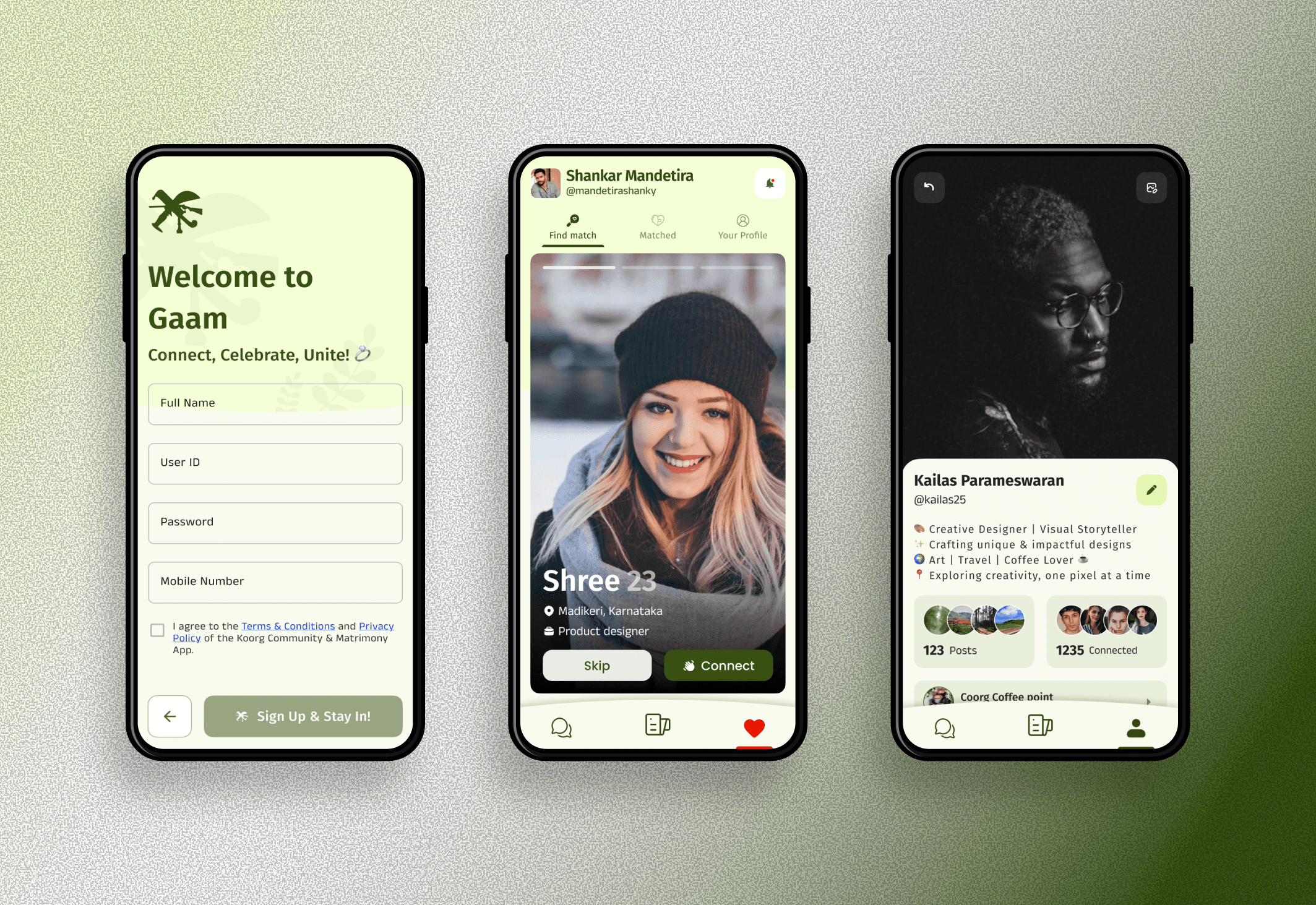
GAAM is a community-first social platform built exclusively for the Kodava community (an indigenous people from the Kodagu (Coorg) district in Karnataka, India), combining a private social network with a culturally respectful matrimony experience.
The goal was to create a single trusted digital space where community members can connect, share, and form meaningful relationships - something missing despite the presence of WhatsApp groups and Instagram pages.
Project Overview
Duration: 4 months (January – March 2025)
Platform: Mobile (MVP)
Stage: MVP — internal testing
Role: End-to-end Product Designer
(Design, product planning, idea generation, UX strategy, UI design)
Team:
Me (Product Designer): Product ideation, UX, UI, IA, visual system
Rohan (Founder): Engineering & implementation
Aromal Ashok(Product Designer): Visual & Typography guidance
Context
The Kodava community is a tightly connected cultural group where traditions, relationships, marriage, and local businesses are deeply intertwined through shared values and trust.
Today, most community interactions happen through, Facebook, Instagram and WhatsApp groups. While these platforms are widely adopted, they were never designed to support the structured needs of a cultural community.
As a result:
Cultural meet-ups, celebrations, and events are scattered across multiple groups and chats
Local community initiatives and businesses lack a central discovery space
Matrimony conversations are informal and difficult to navigate due to scattered community networks and limited brokerage support.
Cultural news and announcements are still shared through local cable TV channels, limiting reach, discoverability, and engagement.
Communications are fragmented with no continuity or shared context
Problem Statement
How might we design a single, trusted digital platform for the Kodava community that:
Brings social interaction, cultural participation, and local discovery into one structured space
Reduces fragmentation caused by scattered chats and groups
Enables matrimony in a verified, respectful, and culturally aligned way
Prioritises trust and intent over scale
Design Goals
Research & Insights
Conversations with Kodava community members
We spoke with local Kodava individuals to understand how traditions, family expectations, and digital communication co-exist within the community.
Experience within the community
The product idea emerged from lived experience in Kodagu, where digital community engagement currently depends heavily on informal channels and scattered groups.
Observation of WhatsApp & Instagram Usage
We observed that WhatsApp and Instagram are the primary platforms used for community communication, reflecting a broader pattern seen across rural and cultural communities in India.
Key Insights
Kodavas share cultural updates and conversations across multiple informal channels rather than in a consolidated space, reflecting a broader pattern of segmented digital communication within local communities.
Cultural identity and family involvement are highly valued in Kodava society, and mainstream platforms don’t align with these expectations - neither verifying intent nor supporting structured discovery.
Local community members place high importance on trusted spaces where social and life-decision related interactions can happen without public exposure or fragmentation.
The Kodavas’ unique social identity and the centrality of trust in community interactions requires design that prioritises intentional engagement.
Product Structure & Experience Architecture
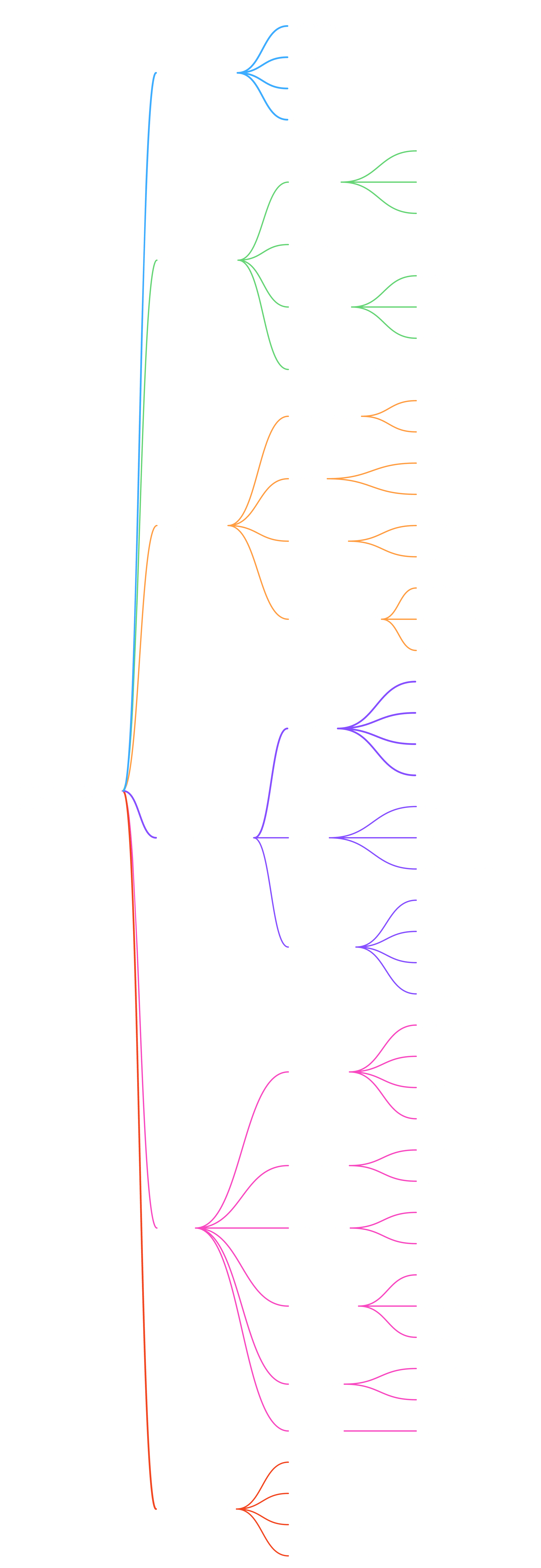
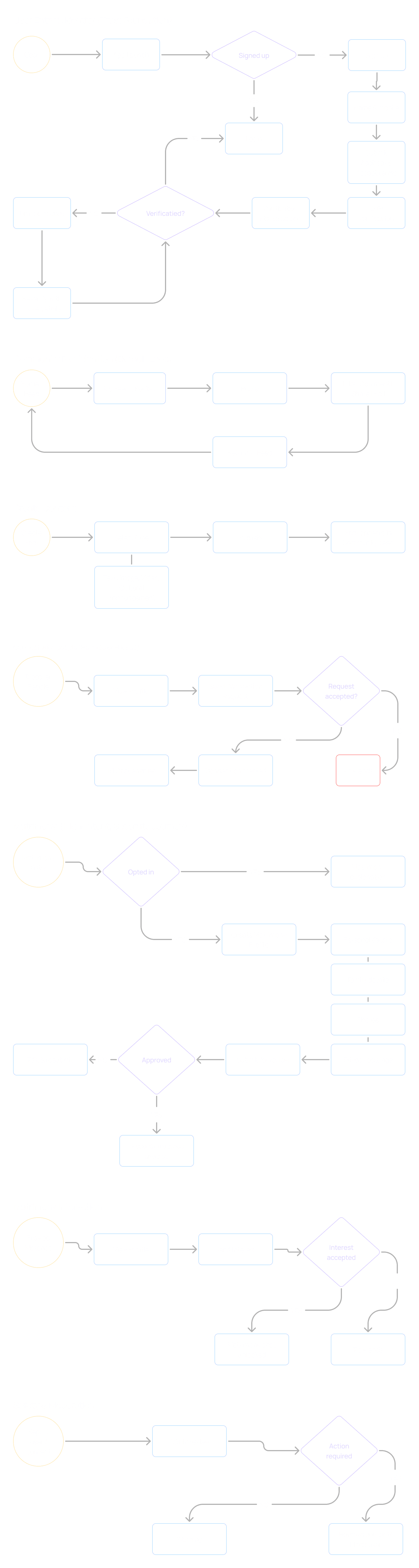
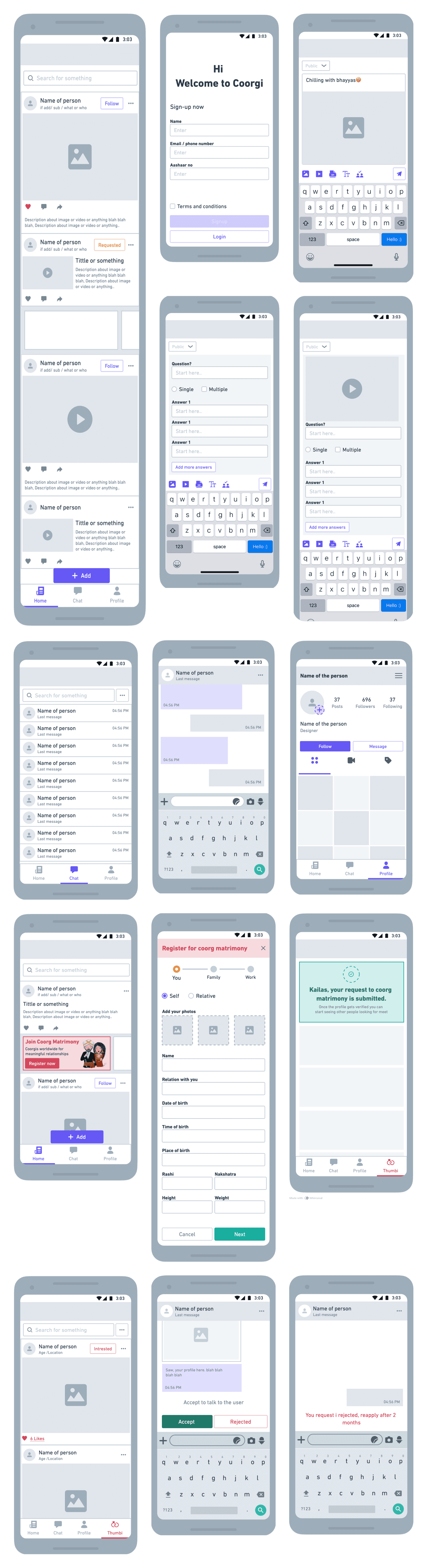
Before designing screens, I focused on defining clear mental models for users - ensuring the platform felt intentional, safe, and easy to understand, especially given the sensitivity of community interactions and matrimony. It was critical to define how users think, where they belong, and what actions are allowed at each stage.
Mind Map — Defining User Intent
Full Page
User Flows — Designing for Trust & Control
Full page
Information Architecture — Clear Mental Models

Full page
Wireframes — Defining Content Hierarchy & Flow
Full page
Visual Language & Design System
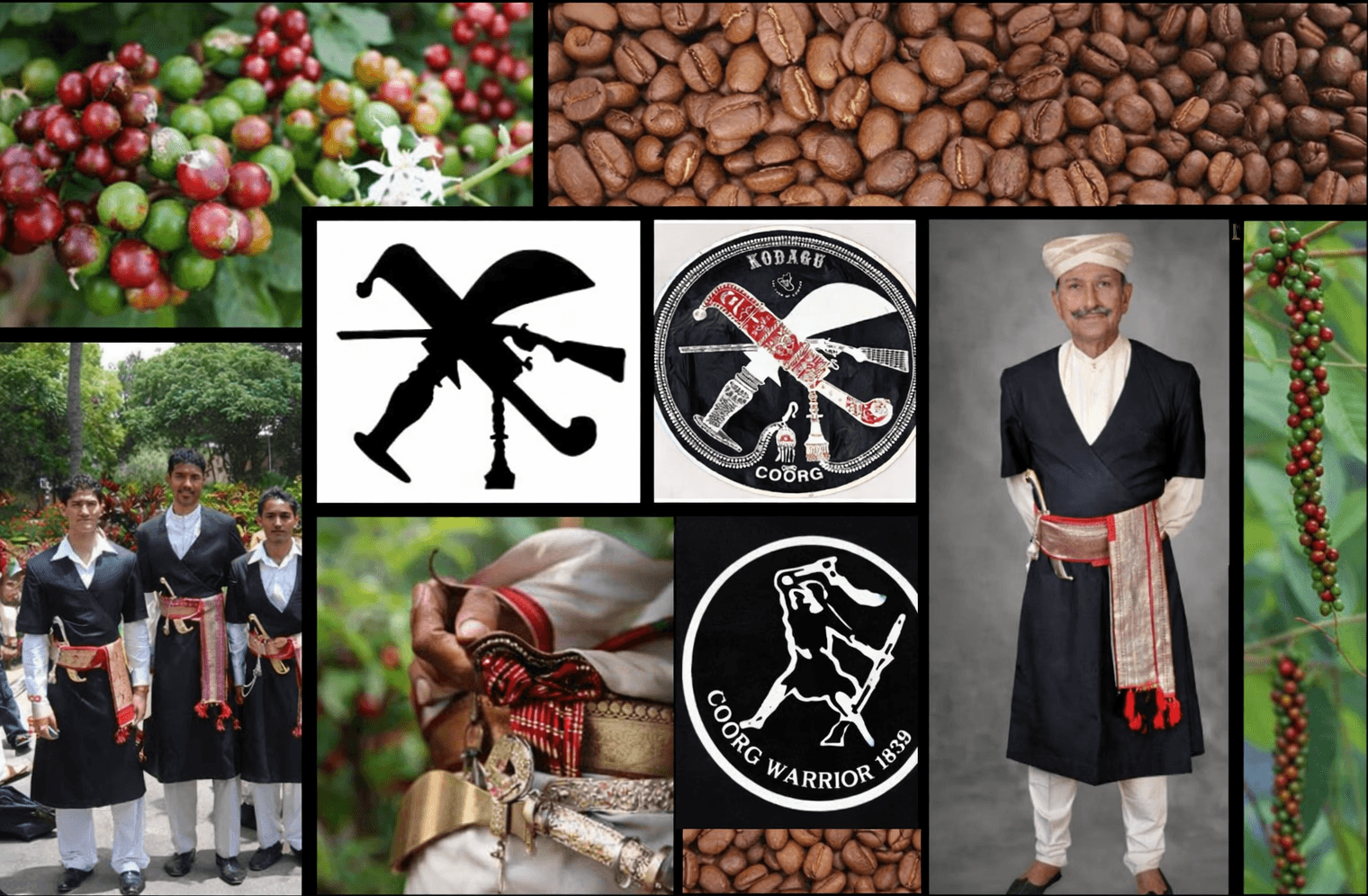
Mood Board
The UI draws inspiration from Coorg’s natural landscape: Earthy greens, warm yellows, muted browns.
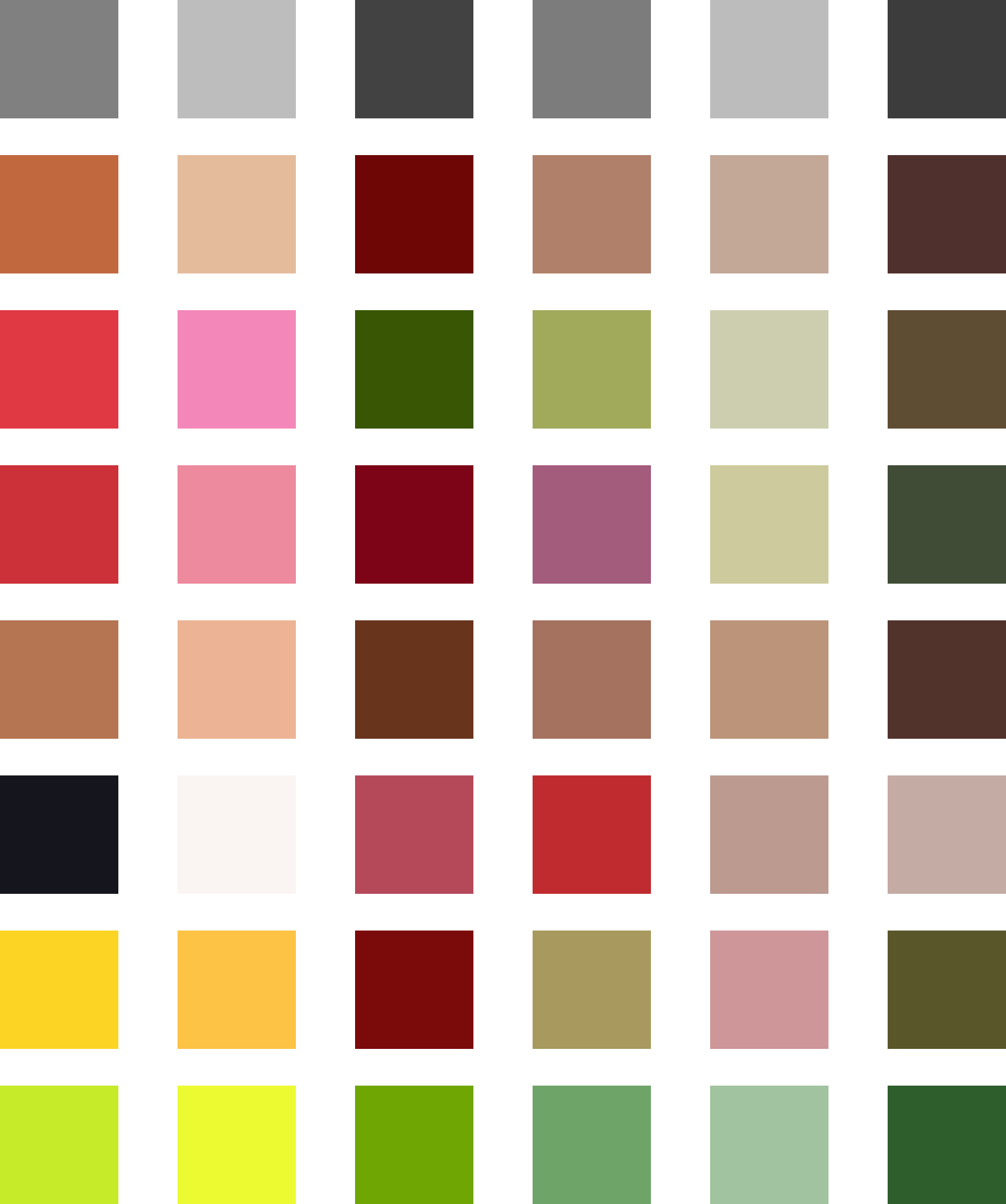
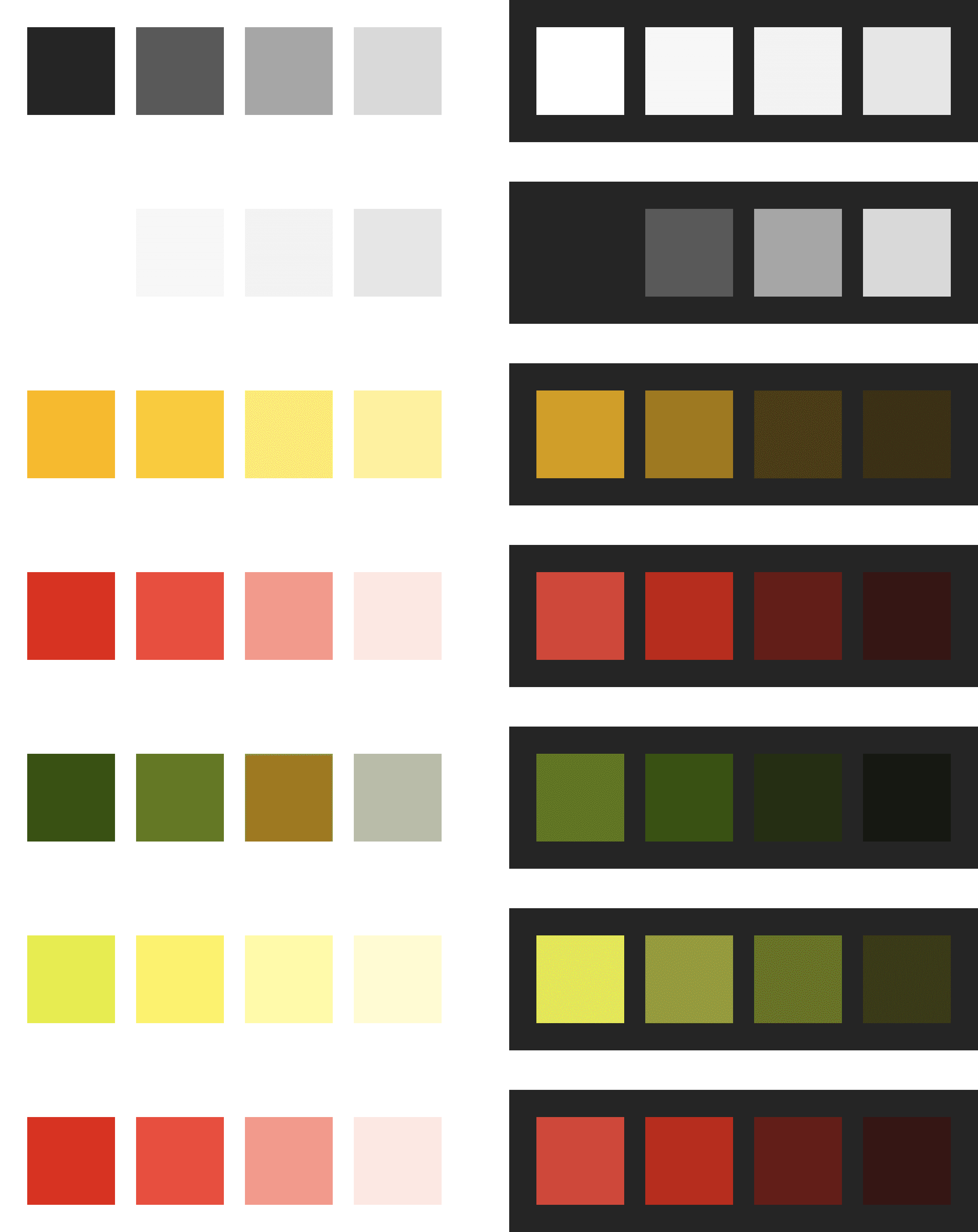

Color Palette
The color system for GAAM is built around warm greens and soft off-whites. Rather than high-contrast or attention-seeking colors, the palette prioritises calmness, trust, and long-session comfort.
All colors are defined semantically, ensuring consistency across surfaces, text, actions and components.
Colors variables
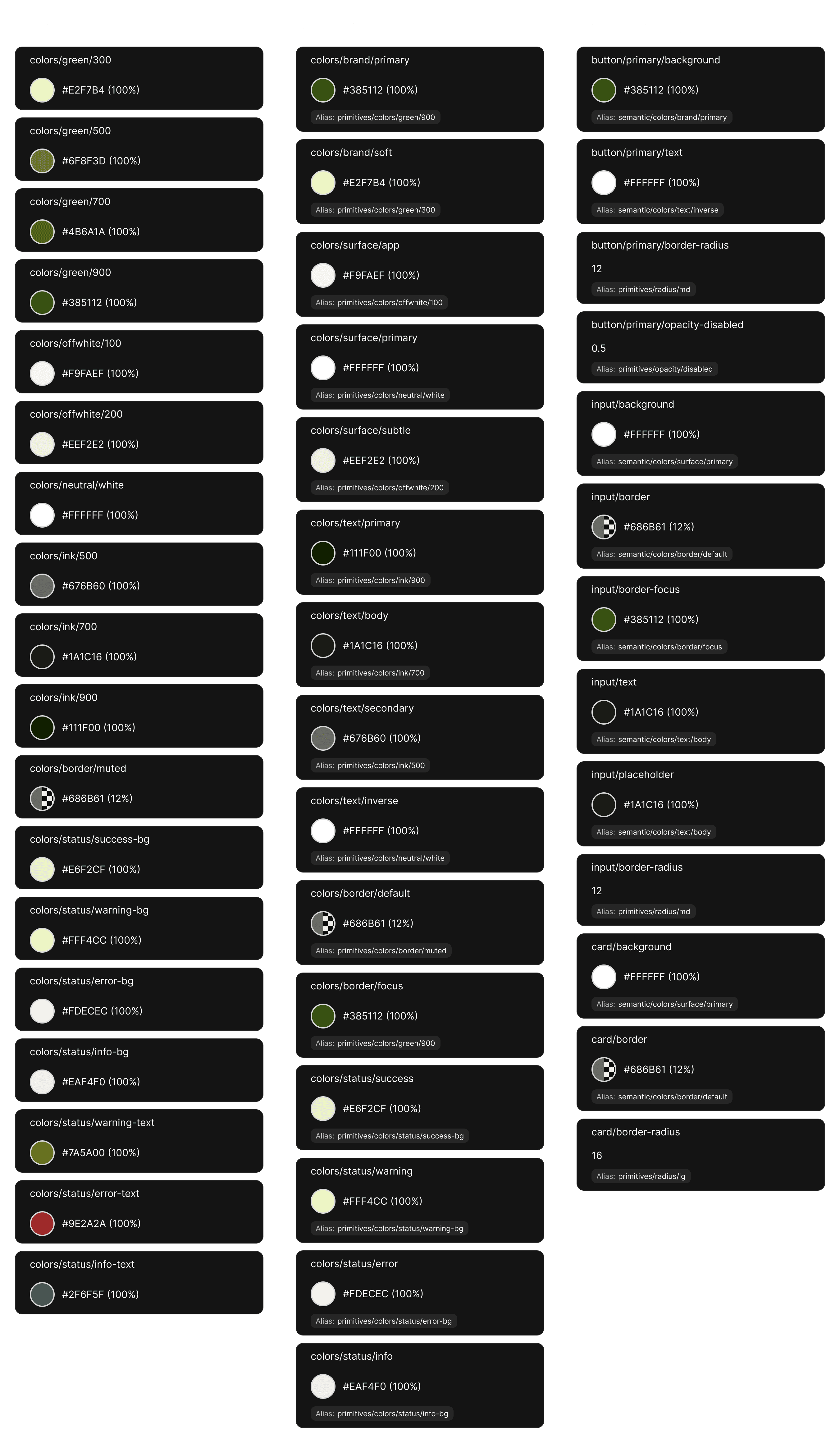
Full page
Typography
Secondary: Fira Sans
ABCDEFGHIJKLMNOPQRSTUVWXYZ
abcdefghijklmnopqrstuvwxyz
0123456789 !@#$%^&*()
Typography variables
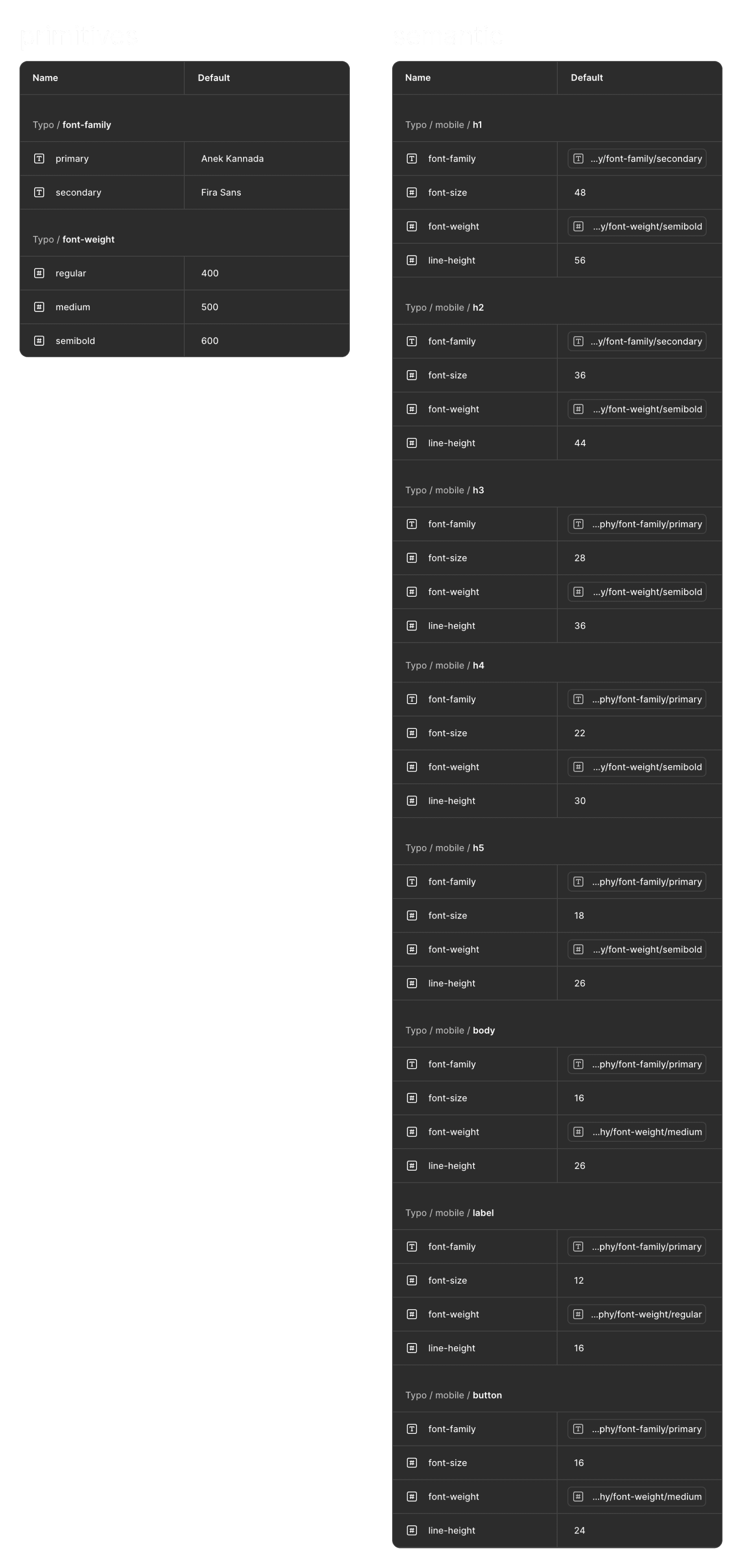
Full page
Typography was a cultural and functional decision.
Why Anek Kannada?
Native Kannada script support
High legibility across sizes and devices
Works seamlessly in bilingual (Kannada + English) contexts
Type System Principles
Friendly, human tone
Comfortable line height for reading profiles and posts
Clear hierarchy without visual heaviness
UI Styling Exploration
Before finalising the visual system, GAAM went through multiple rounds of UI styling exploration to identify a direction that felt calm, trustworthy, and culturally grounded.
We explored variations across layout density, surface treatment, color intensity, and interaction emphasis, using real product screens such as feed, posting, and messaging.
UI Trial styles

Full page
Final V1 Screens
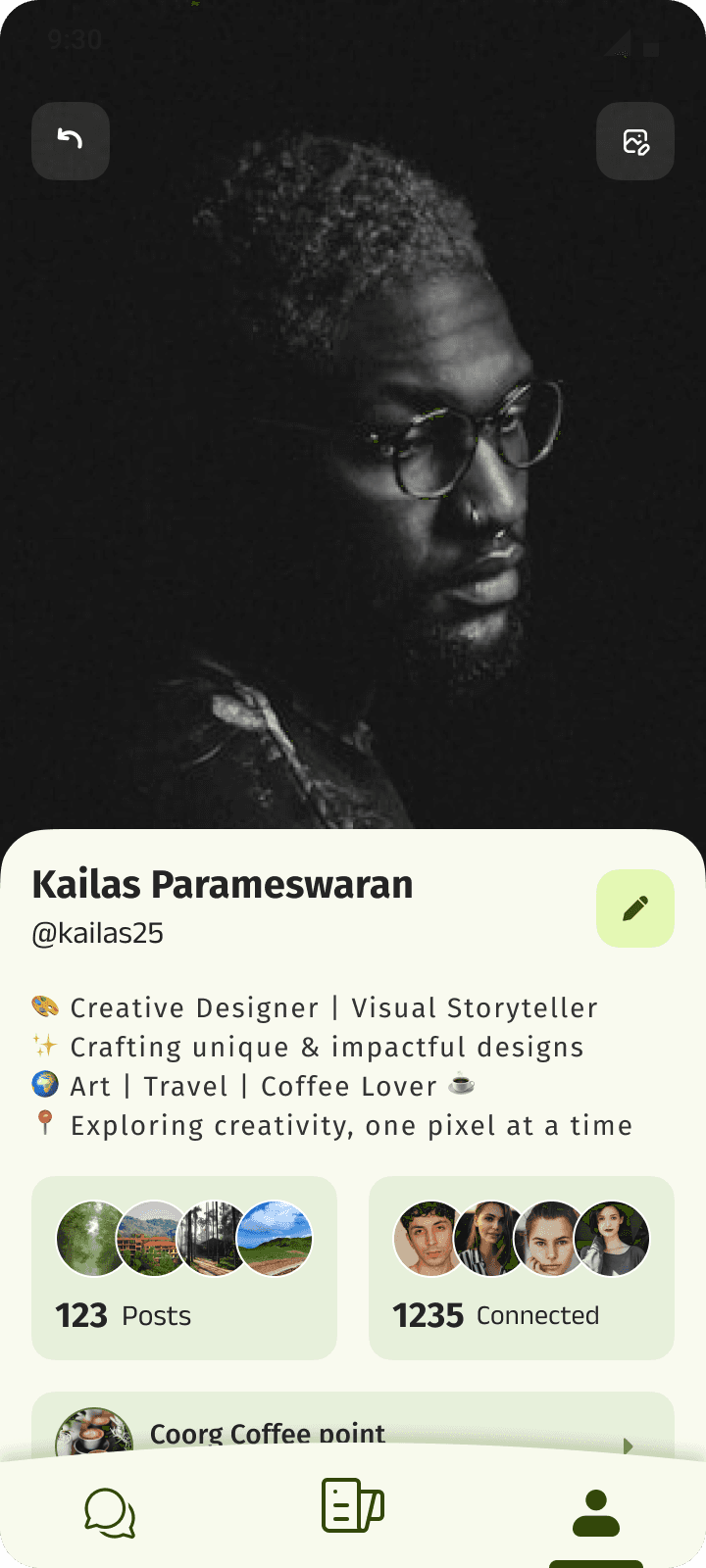
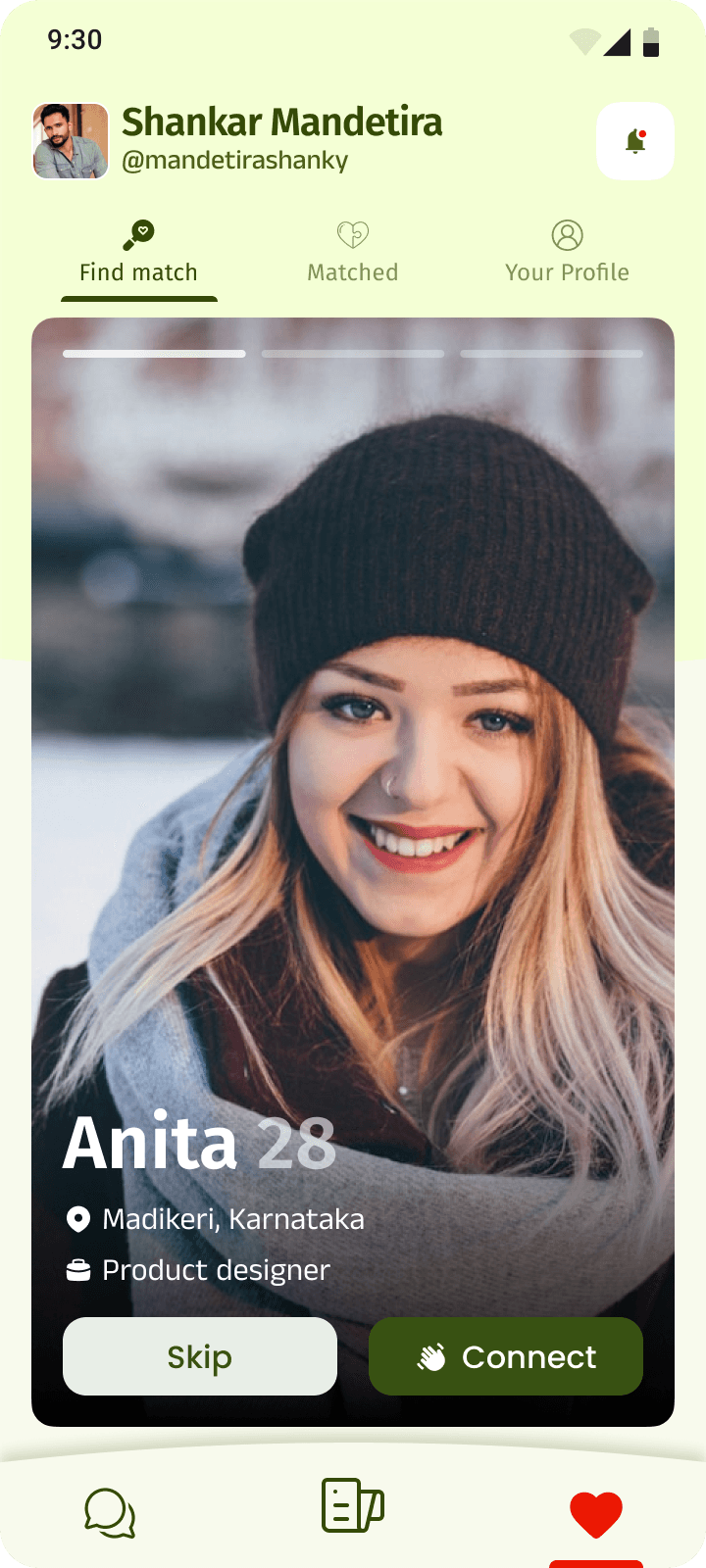
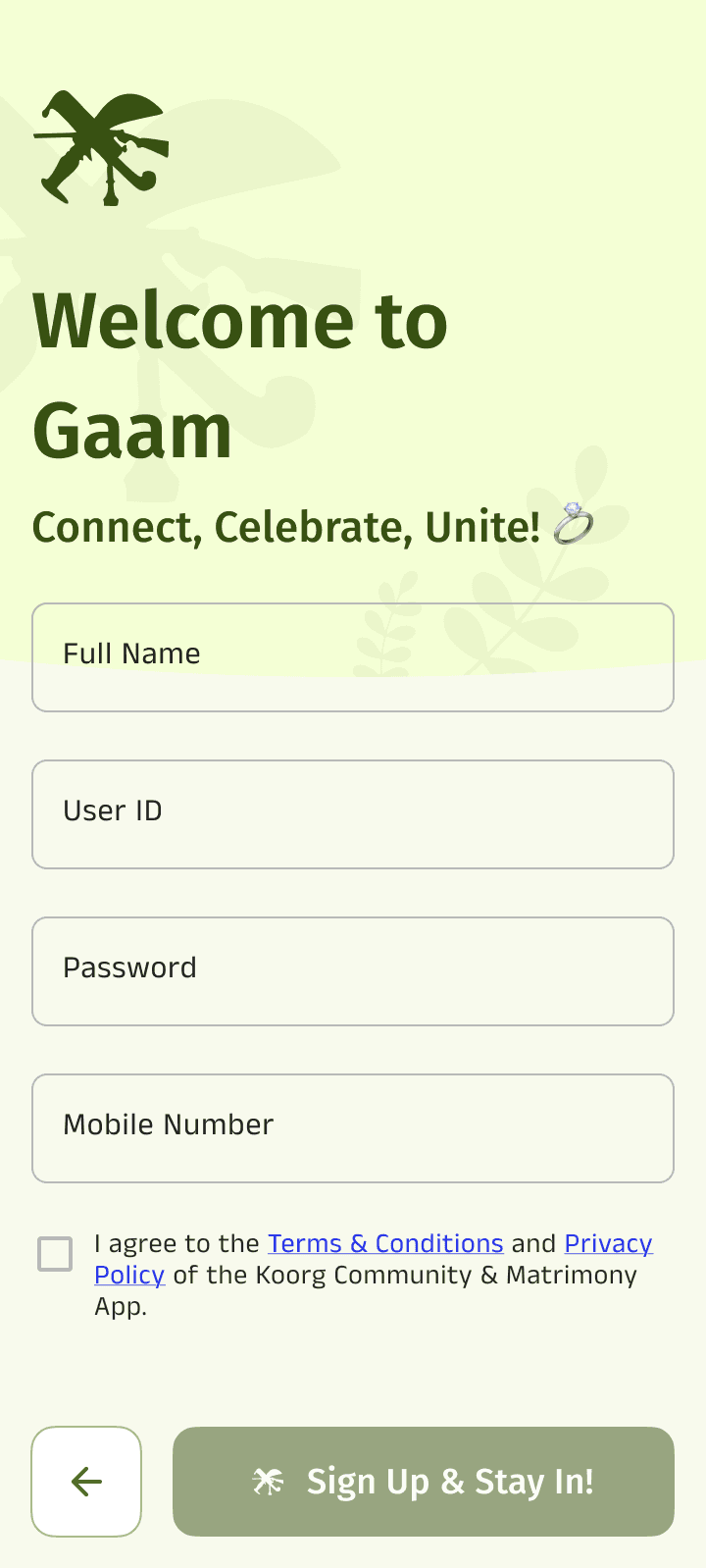
UI Screens

Full page
Current Status
The GAAM MVP is currently in the development phase, with internal testing underway.
The execution plan focuses on a small, trusted rollout within the Kodava community in Kodagu, starting with a limited group of users to gather qualitative feedback and validate core assumptions before wider adoption.
At this stage, the product is being explored through two parallel MVP directions:
A version focused on local businesses and community discovery, enabling participation from local stores and initiatives.
A version focused on matrimony, designed around trust, verification, and intent clarity.
Alongside these, a shared social layer is being tested across both directions to observe how community interaction influences adoption and engagement.
The MVP is intentionally scoped to learn user behaviour, test traction and identify gaps before committing to a single direction for scale.
Key Learning
Note
Designing GAAM reinforced the importance of empathy-led product thinking when building for culturally rooted, close-knit communities.
This project strengthened my ability to design with care and intentionality balancing modern product practices with trust, cultural context, and ongoing real-world feedback. It also highlighted how early-stage products benefit from flexible design that can adapt as direction, usage patterns, and community needs evolve.